
Waste is a
design flaw.
Cocoboard® turns coconut husk byproducts into panels: a sustainable alternative to MDF.
The Loop
Nothing wasted.
By design.
1 · The problem
Every coconut harvest leaves husks behind. They are the byproducts Cocoboard® is made from.
2 · The transformation
NaturLoop recovers the husk fibres and bonds them with a bio-based resin system. The finished panel carries an E0 formaldehyde grade: no harmful emissions.
3 · The loop closes
The result is Cocoboard®: panels for furniture, interiors and construction that work like wood, made from what the harvest left behind.
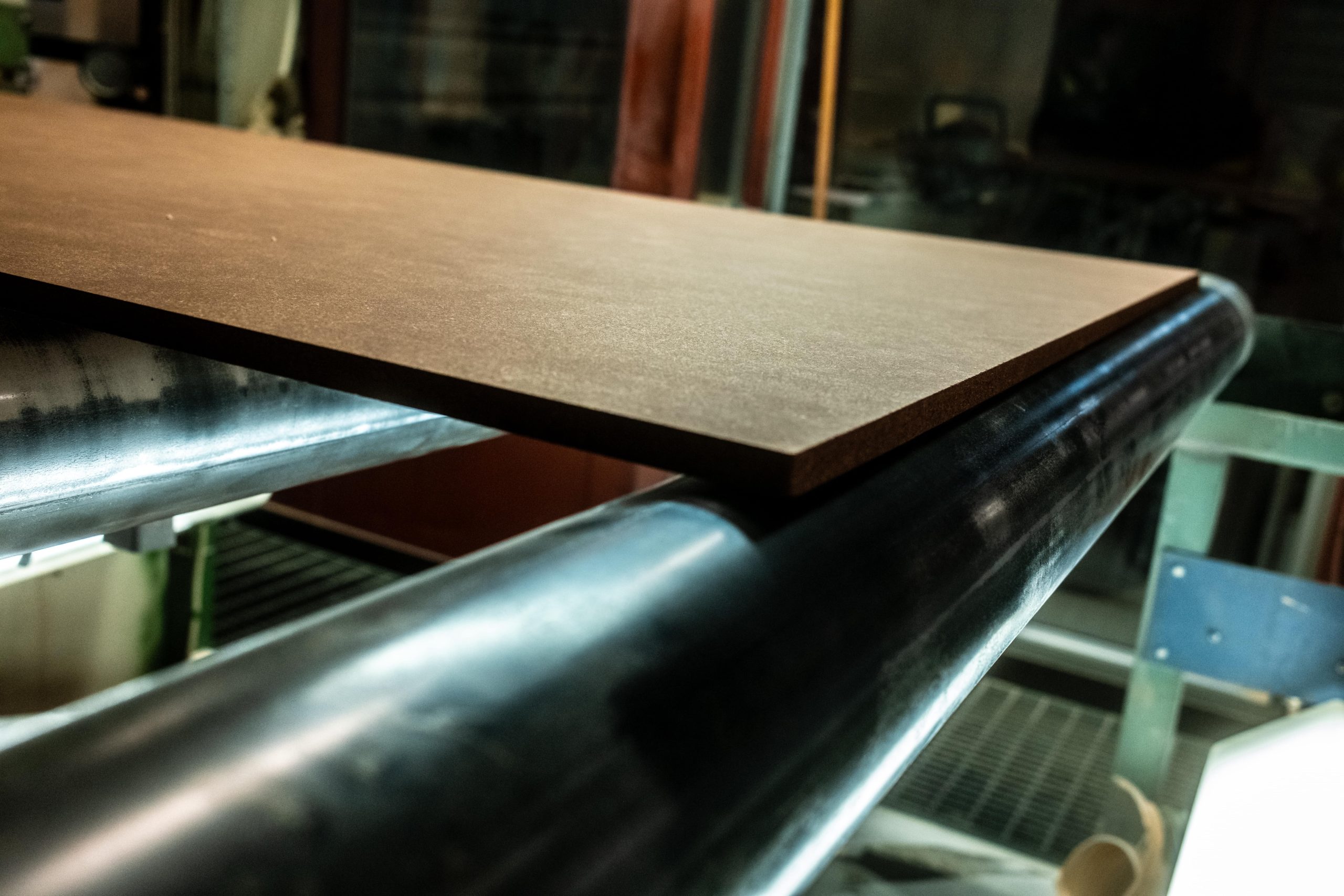
The Material
Engineered from
the husk up.
- Composition
- Upcycled coconut husk fibres bonded with a bio-based resin system.
- Workability
- Compatible with standard woodworking tools and machines.
- Emissions
- E0-grade formaldehyde certification: no harmful emissions.
- Role
- A sustainable alternative to conventional wood-based panels such as MDF.
By the numbers
In Use
Already building.
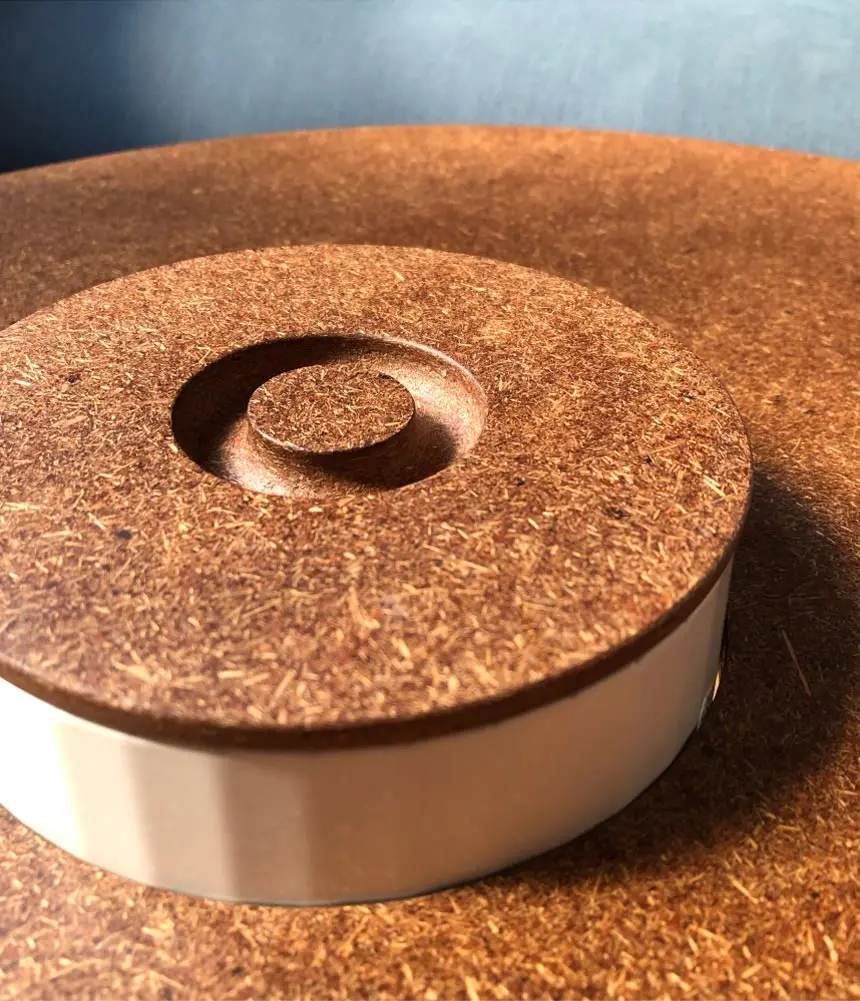 from naturloop.com · hi-res needed
Furniture design
Milled, drilled and finished like wood, with standard tools.
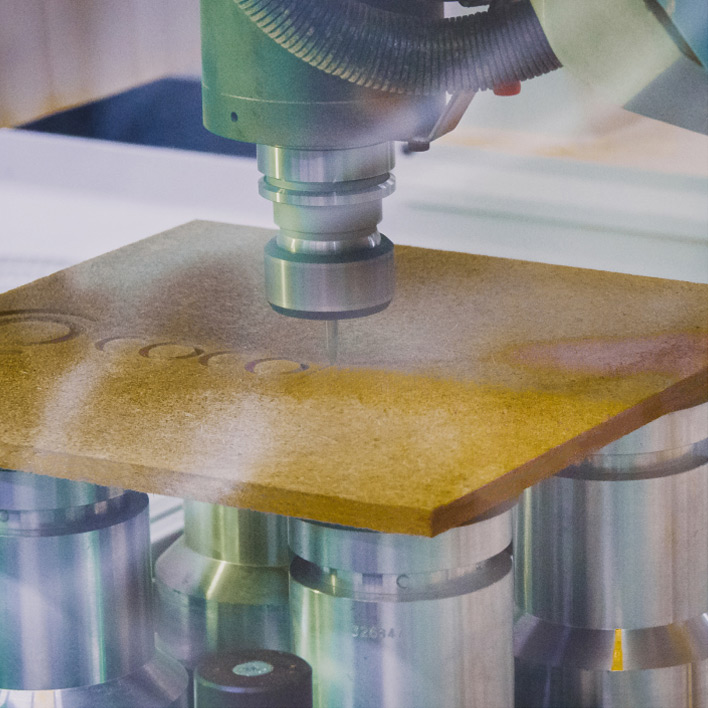 from naturloop.com · hi-res needed
Interior architecture
Panels for fit-outs and visible surfaces.
 PHOTO · 4:3 · construction application
Construction
Building elements where conventional panels used to be the default.
Case Study · Denmark
Window and kitchen sills, installed.
A building project in Denmark specified Cocoboard® for its window and kitchen sills. The material is already on real job sites.
The Company
Swiss materials
engineering.
NaturLoop develops and makes Cocoboard® in Biel, Switzerland. Pricing and volumes aren't a web form. The team handles them directly, so every project starts with a conversation.
Questions
Before you ask.
What is Cocoboard® made of?
Upcycled coconut husk fibres (byproducts of the coconut harvest) combined with a bio-based resin bonding system.
Can I machine it like wood?
Yes. Cocoboard® is compatible with standard woodworking tools and machines, with no special equipment or setup.
What about emissions and indoor safety?
Cocoboard® carries E0-grade formaldehyde certification: no harmful emissions.
How do I get a sample?
Order one directly from NaturLoop. Feeling the material is the fastest way to evaluate it.
Where do I find pricing?
The team handles pricing and volume questions directly. Reach out and they'll come back to you.
Get started
Build with
the loop.
Order a sample and put Cocoboard® through your own tools, or talk to the team about your project.